
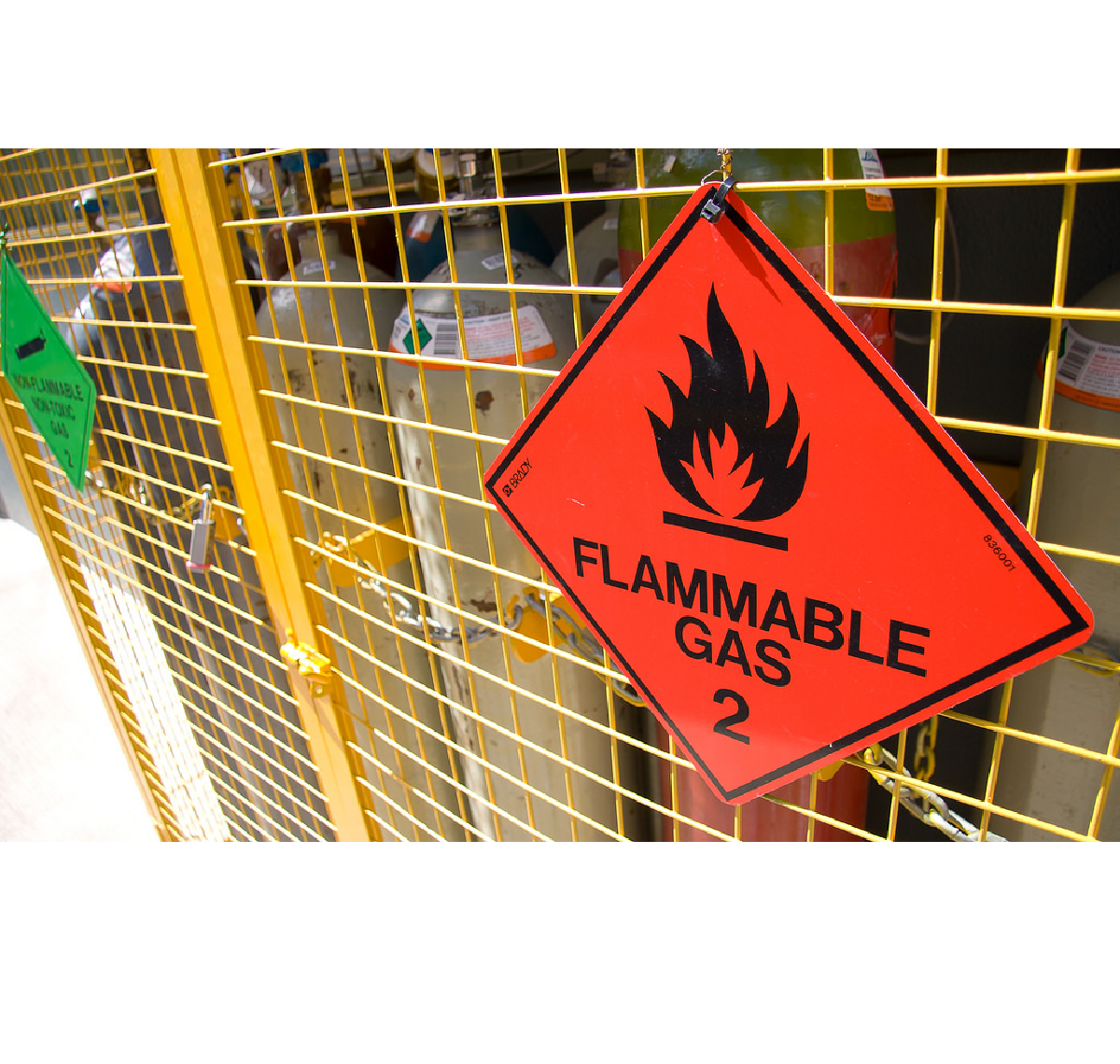
Flammable Gas Safety in Medical Gas Systems – Unimex
Some of the gases used for medical purposes consist of flammable gases such as oxygen and nitrogen. These gases can react with oil, leading to fire hazards. Therefore, the presence of oil in areas where these gases are used in high quantities or touching these systems with oily hands poses potential risks and can result in serious explosions or fires, incidents unfortunately experienced in hospitals, causing severe injuries or even fatalities.
First and foremost, it is crucial that manufacturers of oxygen systems use oxygen-compatible materials on all surfaces exposed to gas. All materials on the system must be oxygen-compatible and heat-resistant. The rapid opening of an oxygen cylinder can cause the temperature to momentarily rise above 300 degrees due to friction, and materials like gaskets or O-rings can catch fire instantly. Hence, systems from reputable companies with proven expertise and materials suitable for this purpose, such as Unimex, should be preferred. When opening an oxygen cylinder for the first time, care should be taken to slowly open the valve.
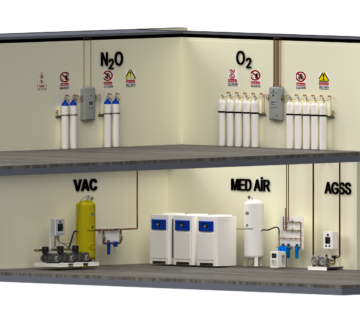
Gas plants such as oxygen and nitrogen should be set up in a completely isolated area away from air compressors in air plants and pumps in vacuum plants, as these devices operate with oil. When entering a room containing flammable gas plants, extreme caution should be exercised, hands and face should be washed beforehand to ensure removal of all oil, and precautions should be taken considering potential leaks, avoiding approaching with any open flame. Ideally, rooms containing flammable gas plants should be located outside the hospital in a separate building, minimizing potential harm in case of malfunctions.
Just as we pay attention to flammable gas plants in control rooms, the same sensitivity should be applied to every area where flammable gas passes. Especially in mobile systems such as ambulances, small leaks can occur in any moving part, and due to the small volume, these minor leaks can lead to oxygen accumulation inside, causing ignition with the smallest amount of oil or spark. Therefore, oxygen leaks inside ambulances should be regularly checked, any risks that could create sparks should be addressed, and extreme caution should be taken regarding oil.

No comment