
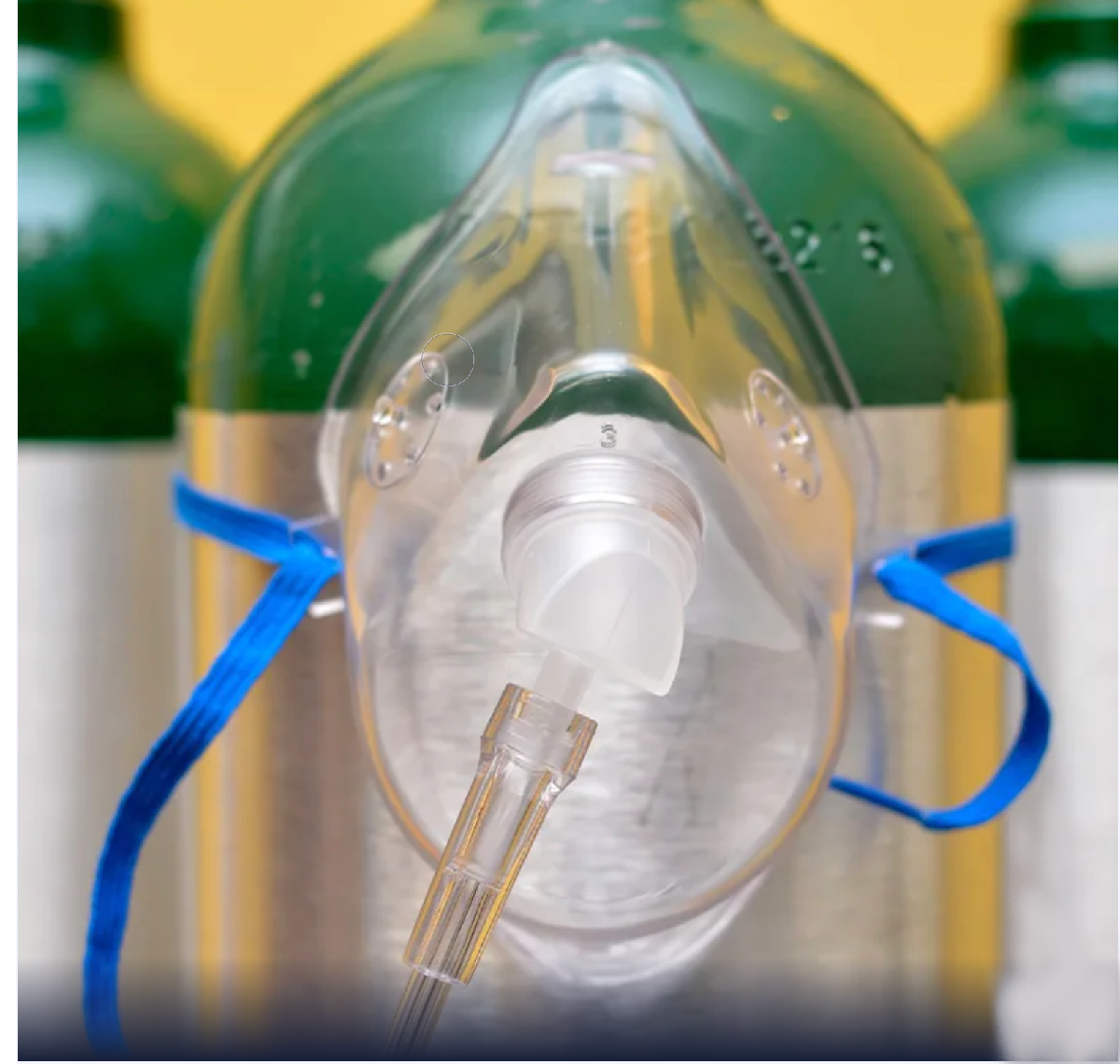
Gas Flow Safety in Medical Gas Systems – Unimex
A crucial aspect in medical gas systems is gas flow safety. The components connecting and forming the medical gas system equipment by Unimex are medical copper pipes. The piping process begins during the hospital construction phase and, afterwards, revising it is challenging, costly, and can partially or entirely disrupt the hospital’s operation, potentially causing significant interruptions.
Firstly, after all necessary equipment is placed in the areas required by the hospital, diameter calculations for copper pipes are performed according to factors such as the length of the system, the planned gas quantity, etc., following the Healthcare Technical Memorandum (HTM). The use of small diameters might prove inadequate in the long run due to the increasing gas demand, leading to systemic failures.
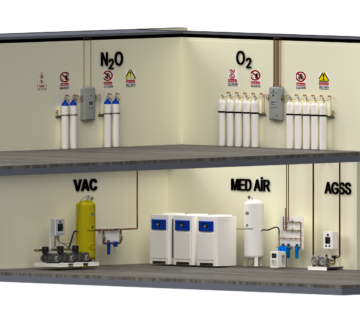
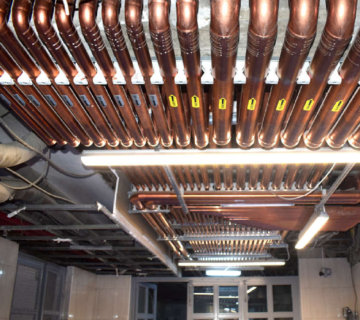
Using copper fittings for turns and descents in the piping system is important because bends and turns with a decrease in diameter can cause changes in flow and pressure. Another crucial point is applying the gas sequence on the wall according to HTM during piping. However, labels indicating the gas type and flow direction should be applied every 5 meters, with Unimex name and contact information, ensuring responsibility and careful work from the implementing company.
Not painting or covering the pipes is essential for visible detection of any damage that might occur in the system. After the completion of the piping, final checks and tests, completing cross-checks, and ensuring the correct connection of gases from the central system to the proper gas sockets are crucial. Also, having gas-specific NIST connections from the central system to the unit significantly reduces the risk of cross-gas connections, preventing the possibility of administering the wrong gas to the patient.
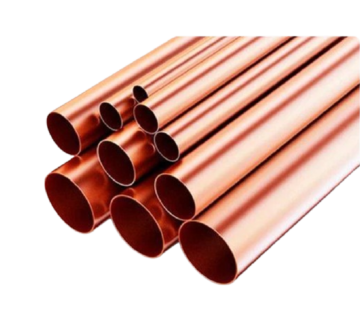
Using medical copper pipes labeled with EN13348 for all stagnant areas within the system is essential. For moving mechanisms and products, hoses with medical properties compatible with oxygen and labeled with the Unimex manufacturer name should be used.
After calculating the central system for the entire facility, neither too small nor excessively large capacities should be selected to avoid waste. The hospital’s future growth plans should be shared with the specialist who designs the project, ensuring the most suitable central system capacity is chosen. After growth, new central systems and additional needs should be accommodated without disrupting the system, and having no leaks in the piping is crucial for energy efficiency and preventing the waste of expensive gases like oxygen.

No comment