
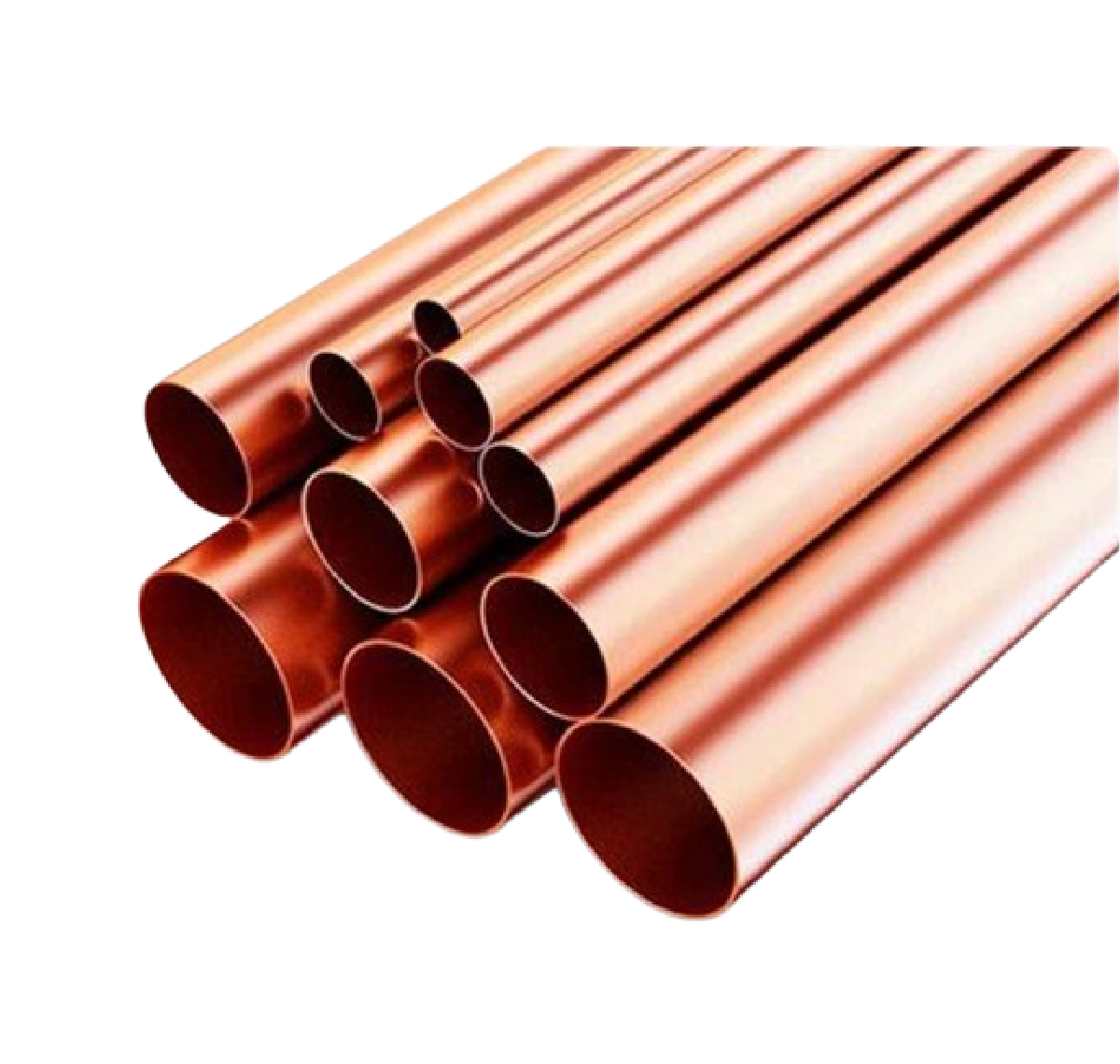
Pipe Diameter Calculation in Medical Gas Systems – Unimex
In Unimex medical gas systems, pipe diameters are calculated based on design flow rate, pipe length, gas type, and operating pressure and temperature conditions. These parameters directly influence system performance, stability, and safety.
The design flow rate represents the volume of gas delivered per unit time at specific points in the system. Unimex engineering design ensures that selected values remain within the minimum and maximum flow requirements defined for medical gas applications.
The pipe length is then analyzed to determine pressure drop across the system. Proper calculation ensures that gas flow remains consistent from the central source to all endpoints without unacceptable losses or variation.
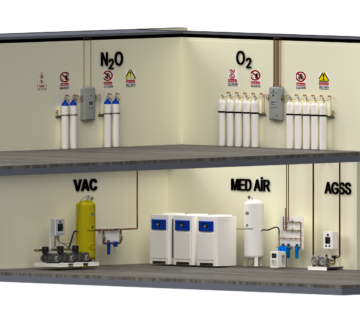
The type of gas is a critical factor in diameter selection. Medical gases used in Unimex systems—such as oxygen, nitrous oxide, carbon dioxide, medical air, vacuum, and anesthetic gases—have different physical properties that influence flow behavior and system sizing requirements.
Pressure and temperature conditions are also integrated into the calculation process. These variables affect gas density and viscosity, requiring precise diameter selection to maintain controlled and reliable gas distribution.
Through the combined evaluation of these parameters, Unimex ensures accurate pipe sizing, stable system performance, and safe delivery of medical gases across healthcare environments.
Medical gas systems are critical installations in hospitals and healthcare facilities, responsible for distributing essential gases such as oxygen, anesthetic gases, vacuum, and other gases required for medical devices and patients. The safety and uninterrupted operation of these systems are paramount, as they can directly impact patient survival.
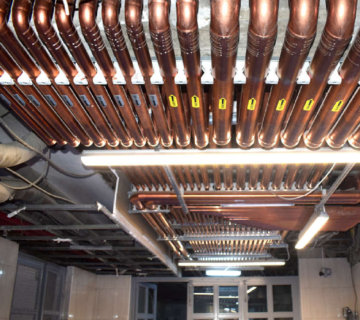
To ensure reliability, Unimex medical gas systems are designed with dual pipeline architecture. The primary line is utilized to meet the gas needs of patients, while the secondary line functions as a backup in case of primary line failure. This ensures that in the event of a malfunction or interruption, gas supply to patients remains continuous and unaffected.
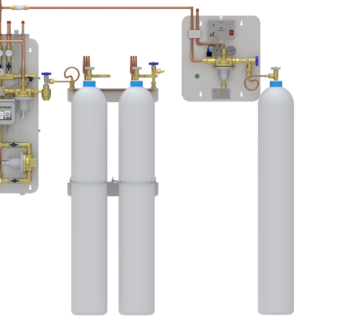
Backup lines provide protection against unforeseen situations such as gas supply disruption, pressure drops, or leaks. These systems work in conjunction with backup components such as gas storage tanks, generators, and distribution networks to maintain uninterrupted gas availability.
Moreover, the backup line in Unimex medical gas systems serves not only as a safety measure but also as a functional support during maintenance and repair procedures. When the primary line is under service, patient gas demand is automatically maintained through the backup line, ensuring zero interruption in healthcare delivery.
In conclusion, backup systems are a fundamental requirement in medical gas infrastructure. Unimex designs incorporate redundancy at every critical level to ensure continuous operation, patient safety, and system reliability under all conditions.

No comment